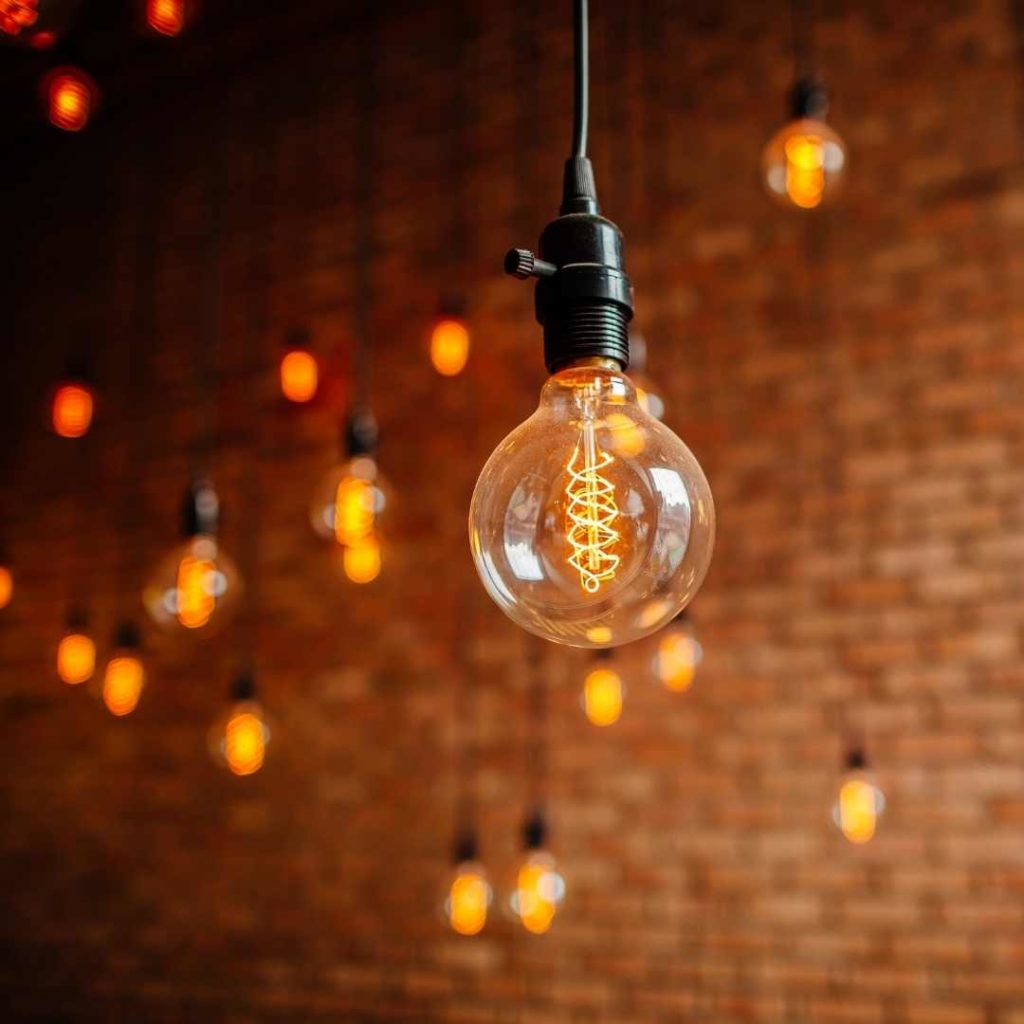
Walk past a full beer garden on a warm evening and look up. The glow pulling people in is almost always a canopy of string lights. Outdoor lighting is the highest impact, lowest cost upgrade a venue can make to its outdoor trade, and it is what we supply to hospitality venues across Australia every week. Here is how to get it right, area by area.

What makes venue lighting different from backyard lighting
Home string lights get switched on for a Saturday barbecue. Venue lighting runs six nights a week, all year, through storms, heatwaves and the occasional pack down. That changes the specification completely.
- Commercial grade components. Continuous operation is the design brief, not the exception.
- A genuine outdoor IP rating. Rated for permanent outdoor installation, not "undercover areas only".
- Shatterproof LED globes. No broken glass above seated guests, ever.
- Low voltage 24V options. Transformer driven systems are the sensible choice wherever staff and guests can reach the lights.
- A warranty that matches the workload. Our commercial range carries a 2 year warranty, double the industry standard.
All of it comes from the same commercial grade outdoor string lights range, which is why the same products appear above cafes, pubs and rooftop bars around the country.
Alfresco dining areas
The goal for alfresco lighting is bright enough to read a menu by, warm enough that people order another round instead of moving inside. Run festoon lights in parallel rows above the tables at roughly 2.5 to 3 m, in warm white, and put them on a dimmer so the room can shift as the evening does.

Keep the runs tight to the seating footprint. Pooling light over the tables and letting the edges fall away makes a space feel busier and more intimate at the same time, which is exactly the effect a half full terrace needs at 6pm. Adding a dimmer is the smallest change on this list with the biggest effect on atmosphere.
Beer gardens
Beer gardens suit the classic canopy: festoon strings run corner to corner overhead, or zig-zagged across the space, forming one continuous ceiling of light. Fix to perimeter posts or building lines using catenary wire so the cable stays taut through wind rather than sagging further every month.

For larger gardens, low voltage 24V commercial kits let you run long connected circuits from a single transformer, which keeps leads and power points away from walkways and service areas. That is a safety win and a tidiness win at once.
Courtyards and laneways
Tight urban spaces reward vertical thinking. String festoon lights wall to wall overhead and a laneway instantly reads as a room rather than a gap between buildings. Wrap fairy lights through wall trellis or greenery to add depth at eye level, and wash feature brickwork from below with warm spots.

Courtyard venues in older buildings often have very limited outdoor power. Solar and low voltage systems solve that without opening up walls or paying for a switchboard upgrade, which is usually the difference between the project happening this season or next.
Rooftop bars and terraces
Rooftops are the most exposed sites we light: full sun, full wind, nothing overhead. Specify heavy duty cable, shatterproof globes and proper catenary suspension, and check what you are actually allowed to fix to before ordering lengths, because parapets and plant rooms rarely sit where you want them.

Get it right and the payoff is the best backdrop in hospitality, a glowing canopy with the skyline behind it. Fairy lights woven through balustrades add sparkle without blocking the view people came up for. Everything we supply is fully weatherproof and rated to stay up permanently.
Cafe and bistro frontages
Footpath seating earns its keep the moment it glows after dark. A single festoon run under the awning line is often all a frontage needs, and it doubles as signage: people notice a lit cafe from the other end of the street. We cover this in depth in our cafe lighting guide, and the cafe and bistro lights themselves sit in the main string light range.
Choosing between 240V and low voltage 24V for your venue
240V festoon plugs straight into standard outdoor power and suits frontages, smaller courtyards and anywhere a power point is already close by. Low voltage 24V runs through a transformer and is what we recommend for most public facing installations: safer where lights are within reach, capable of long connected runs from one power point, and easy to extend as the venue grows.

Both are dimmable with the right controller, both use the same warm white LED globes, and both carry the 2 year commercial warranty. If you are unsure which suits your site, the deciding factors are usually reach and run length rather than budget.
Fit outs, quotes and trade orders
We supply venues, event companies and the electricians who fit them out, with trade pricing on volume orders and layout advice before you commit to quantities. Send through the measurements of your outdoor area and we will specify the run lengths, kits and accessories the space actually needs.
Start with our trade and wholesale page, or work out indicative quantities yourself using our guide to how many festoon lights you need. If you are still deciding between styles, our festoon vs fairy lights comparison covers the differences.
Venue lighting questions, answered
What lights do venues use in outdoor areas?
Mostly commercial grade festoon lights with large feature globes overhead, plus fairy lights through greenery and balustrades. Warm white, in the 2200K to 2700K range, is the hospitality standard because it flatters both food and people.
How are beer gardens usually lit?
With a festoon canopy on catenary wire, run from perimeter posts or building lines, typically low voltage 24V so one transformer can drive long circuits across the whole garden.
What is the best lighting for a rooftop bar?
Heavy duty weatherproof festoon on properly tensioned suspension, with fairy lights on balustrades. Wind exposure dictates the hardware far more than the aesthetic does.
Do you supply and install?
We supply Australia wide and work alongside your own electrician or installer, providing layouts, specifications and quantities. We are a lighting supplier rather than an installation contractor.
Can we get trade pricing?
Yes. Venues, event hire companies, electricians and resellers can apply for trade pricing through our trade page.